
 Daria Kovalchuk
10th Feb 2026
Navigating Foreign Airports Without Knowing the Language
Stepping off a plane where you don't understand the language can transform airport procedures into challenges.
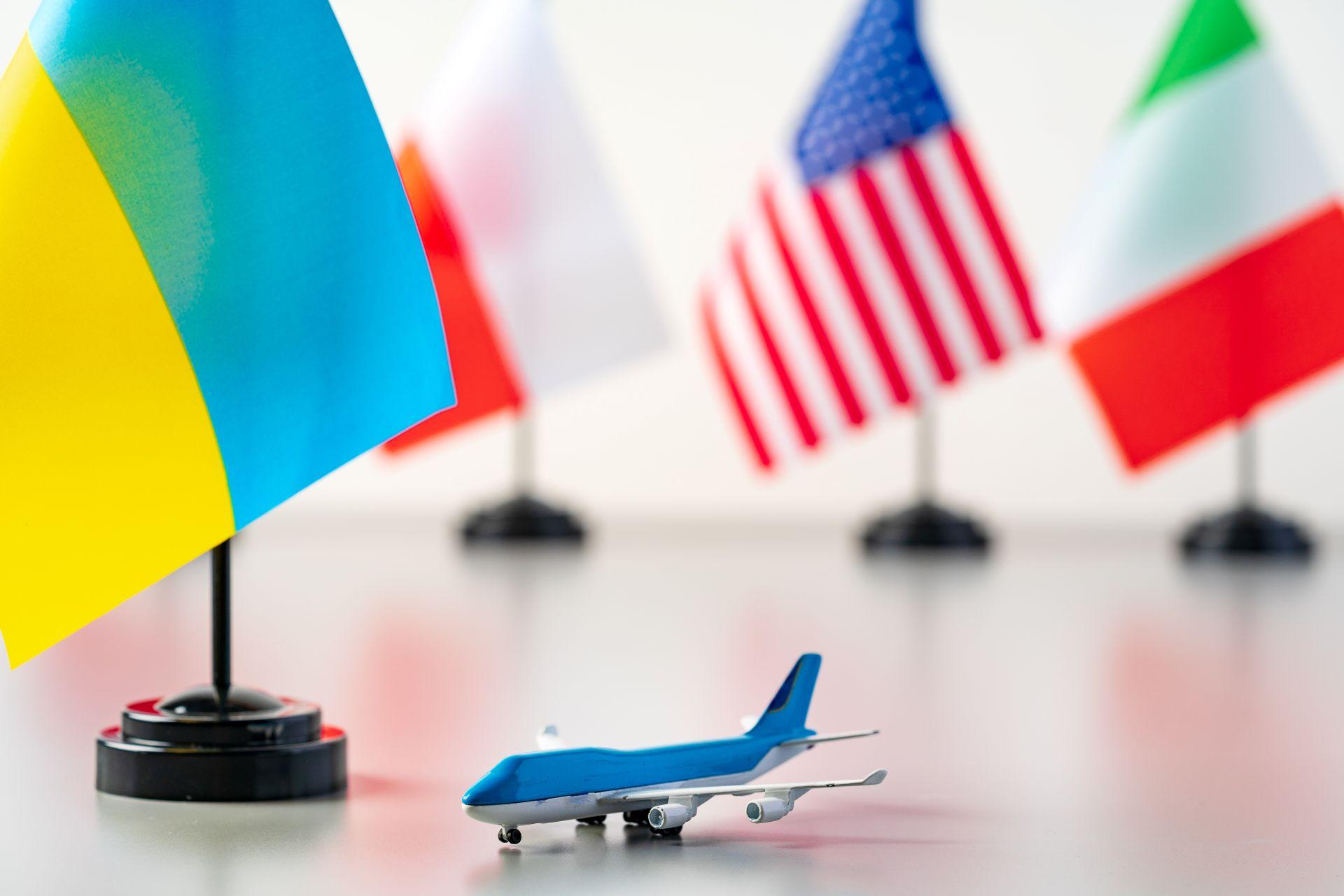
From deciphering directional signs to communicating with immigration officers, language barriers create stress that can overshadow the excitement of international travel. This comprehensive guide explores practical strategies for navigating foreign airports confidently, with special emphasis on how professional airport assistant services eliminate language obstacles entirely.
The Reality of Language Barriers in International Airports
International airports process billions of passengers annually, with travelers from hundreds of different linguistic backgrounds converging in single terminals. While many major hubs display multilingual signage, the reality on the ground is often more complex. Announcements may only broadcast in local languages, airport staff might have limited English proficiency, and crucial information about gate changes or immigration procedures can be lost in translation.
According to industry research, communication difficulties represent one of the top three concerns for international travelers, particularly those visiting countries where their native language isn't widely spoken. The anxiety intensifies for elderly travelers, families with children, and business executives operating under tight connection schedules.
Understanding Common Airport Communication Challenges
Directional Signage and Wayfinding
Modern airports can sprawl across enormous areas with multiple terminals, dozens of gates, and complex transit systems. Even when airports provide English translations, technical aviation terminology and local references can confuse travelers. Finding specific airline counters, immigration zones, baggage claim areas, or ground transportation can become overwhelming when you can't read signs or ask for directions.
Immigration and Customs Procedures
Border control officers must ask standard questions about your visit purpose, duration of stay, and accommodation details. When you don't speak their language and they have limited proficiency in yours, this routine procedure can become stressful. Misunderstandings during immigration interviews occasionally lead to delays or additional scrutiny.
Check-in and Security Screening
Airline check-in procedures require communication about baggage weight, seat preferences, and travel documents. Security screening involves following specific instructions about removing items, electronics placement, and body scanning procedures. Language barriers can slow these processes significantly.
Flight Information and Gate Changes
Airport announcements about boarding times, gate changes, and flight delays are critical information. Missing these announcements due to language differences can result in missed flights, especially when visual displays aren't immediately visible or don't update promptly.
Ground Transportation
Communicating with taxi drivers, ride-share services, or public transportation staff requires explaining your destination, negotiating fares, or purchasing tickets. Language barriers here can lead to confusion about routes, pricing, or payment methods.
Self-Help Strategies for Overcoming Language Barriers
Technology Solutions
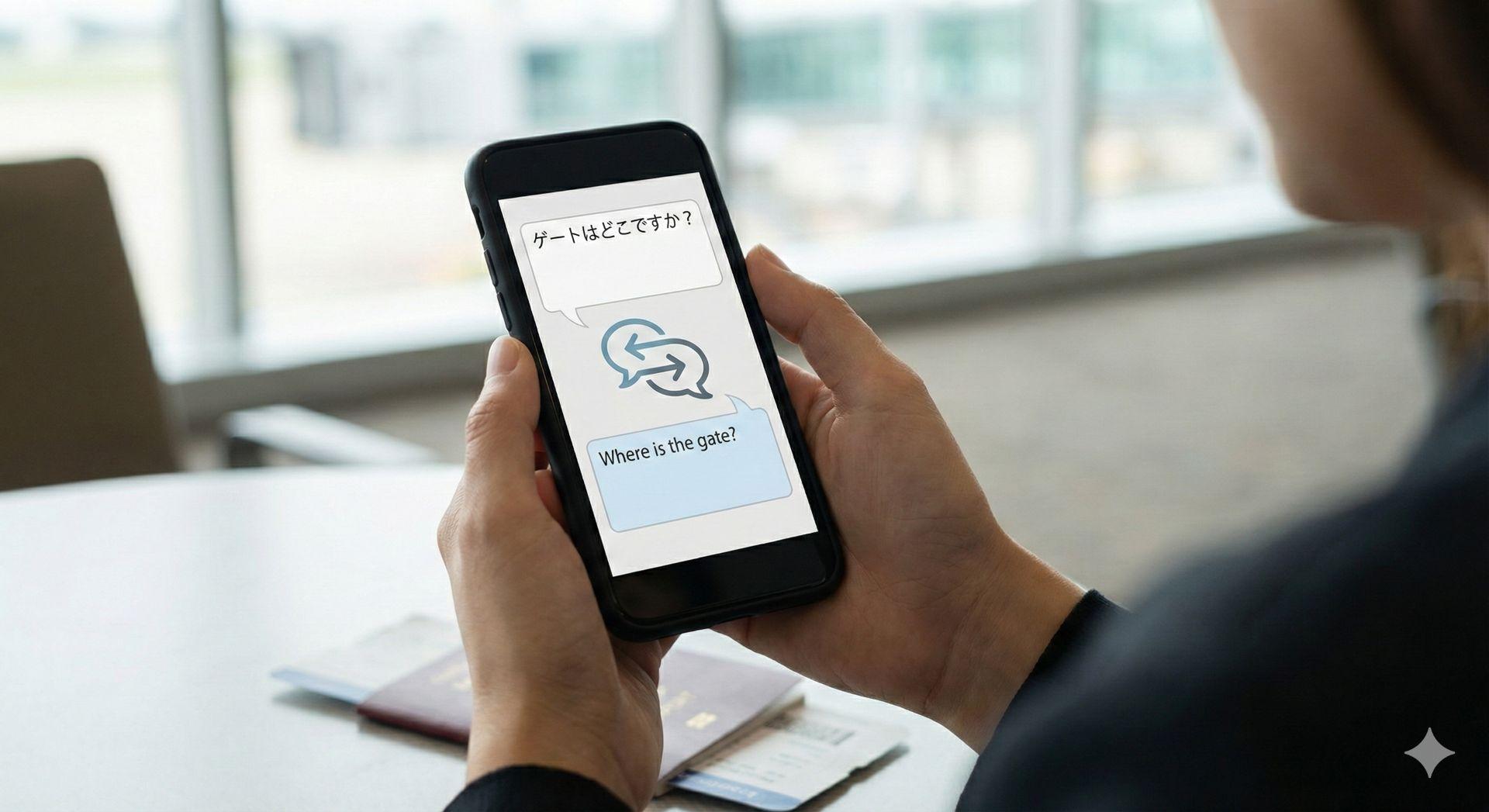
Modern smartphone applications have revolutionized how travelers handle language barriers. Translation apps like Google Translate, Microsoft Translator, or iTranslate offer real-time text and speech translation. The camera translation feature allows you to point your phone at signs or documents for instant translation, which proves invaluable for navigating airport signage.
Download offline language packs before traveling, as airport WiFi can be unreliable or require purchase. Save common phrases in your notes app: "Where is gate X?", "I need help finding my connecting flight", "Where is baggage claim?", and "I need a taxi to [hotel name]."
Learning Essential Airport Vocabulary
Even limited language preparation significantly improves airport experiences. Focus on understanding and pronouncing key terms:
Arrival / Departure
Check-in counter
Boarding gate
Passport control / Immigration
Customs
Baggage claim
Exit
Toilet / Restroom
Information desk
Help
Learning to say "Excuse me," "Thank you," "I don't understand," and "Do you speak English?" in the local language demonstrates respect and often encourages locals to assist you more patiently.
Visual Communication Methods
When verbal communication fails, visual methods bridge gaps effectively. Screenshots of important information—your hotel address, boarding pass details, and connection information—provide clear references you can show to airport staff.
Gestures and body language convey meaning across cultures, though be aware that some gestures have different meanings in different countries. Pointing to written information, using numbers on your fingers, and simple miming can communicate basic needs.
Utilizing Airport Information Services
Most international airports maintain information desks staffed with multilingual employees, typically located near terminal entrances and major transit points. These staff members specifically train to assist travelers with language difficulties.
Many airports now provide translation kiosks at critical points like immigration checkpoints. Frankfurt Airport, for example, has implemented AI-powered translation kiosks capable of translating over one hundred languages instantaneously, demonstrating how technology integration addresses communication challenges.
Preparation and Documentation
Before departure, research your destination airport's layout. Most major airports publish detailed terminal maps online, allowing you to familiarize yourself with the location of your airline's gates, immigration areas, and ground transportation options.
Print important documents in both English and the local language: your hotel reservation with full address, any tour bookings, and emergency contact numbers. Carry your airline's local customer service number in case you need assistance.
The Professional Solution: Airport Assistant Services
While self-help strategies provide valuable support, they still leave room for confusion, stress, and potential errors. Professional airport assistant services eliminate language barriers entirely by providing dedicated, multilingual representatives who guide you through every airport procedure.
What is an Airport Assistant?
An airport assistant is a professional concierge who meets travelers at predetermined points—typically at the aircraft door, arrival gate, or curbside—and provides personalized guidance through all airport formalities. These trained professionals speak multiple languages and possess comprehensive knowledge of airport procedures, ensuring seamless transit regardless of your linguistic abilities.
Comprehensive Language Support
Professional airport assistants don't merely translate; they actively manage all communication on your behalf. When you arrive at immigration, your assistant handles the interaction with border control officers, presenting your documents and answering routine questions. At airline counters, they communicate your preferences and requirements. Throughout security screening, they explain procedures in your language.
This comprehensive support proves particularly valuable when dealing with unexpected situations. If authorities require additional documentation, they explain requirements clearly and help you respond appropriately.
Cultural Knowledge and Local Expertise
Beyond language translation, airport assistants provide cultural context that prevents misunderstandings. They understand local customs, appropriate behavior expectations, and unofficial procedures that regular travelers wouldn't know. This expertise ensures you navigate cultural differences respectfully while receiving efficient service.
Services Provided by Airport Assistants
Professional airport assistance encompasses the complete journey through airport facilities:
Upon Arrival:
Meet you at the aircraft door or arrival gate with a name boardGuide you through immigration and passport control Handle all communication with immigration officers Expedite customs clearance proceduresAssist with baggage retrievalArrange and coordinate ground transportationEscort you to your driver
For Departures:
Meet you at the terminal entrance or curbsideAssist with airline check-in proceduresHandle baggage check and answer airline staff questionsProvide fast-track access through security screening (where applicable)Guide you through all security proceduresEscort you to premium lounges (where applicable)Ensure timely boarding at your departure gate
During Connections:
Meet you at your arrival gateNavigate you through the connecting airportHandle re-screening or additional security checksCommunicate with airline staff about tight connectionsEscort you to your connecting departure gateManage any last-minute gate changes
Who Benefits Most from Airport Assistant Services?
While anyone can benefit from professional assistance, several traveler categories find these services particularly valuable:
Elderly Travelers: Navigating large airports can be physically demanding, and language barriers compound the stress. Airport assistants provide both linguistic support and physical assistance, ensuring comfortable transit, departure or arrival.Business Executives: Time-sensitive schedules demand efficient airport transit, departure or arrival. Language barriers waste valuable time. Professional assistants expedite procedures, allowing executives to focus on work rather than navigation.Families with Children: Managing children while trying to communicate in foreign languages creates overwhelming situations. Airport assistants handle all communication, letting parents focus on their family.Travelers with Limited English: For non-English speakers visiting English-speaking countries or making connections through international hubs, professional assistance in their native language provides confidence and security.Travelers with Special Needs: Passengers requiring wheelchair assistance, medical equipment transport, or special accommodations benefit from assistants who can communicate specific requirements.First-Time International Travelers: Those new to international travel often feel anxious about foreign airport procedures. Professional guidance eliminates uncertainty.
The Peace of Mind Factor
Perhaps the most valuable aspect of professional airport assistance is the elimination of anxiety. Travel should be enjoyable, not stressful. When you know a dedicated professional will meet you, speak your language, and handle all airport procedures, you can relax and focus on your journey's purpose rather than worrying about communication difficulties.
Many travelers report that the confidence gained from having professional assistance transforms their entire travel experience. Instead of approaching foreign airports with apprehension, they can focus on the excitement of their destination.
Practical Tips for Different Airport Scenarios When Traveling on Your Own
Arriving in a Foreign Country
When you first arrive in an unfamiliar country, disorientation is natural. Even before language barriers become apparent, the sheer size and activity level of major international airports can be overwhelming.
If traveling without an airport assistant, immediately locate information desks after exiting the aircraft. Most airports position these prominently. Don't hesitate to ask for help—information desk staff specifically train to assist disoriented travelers.
Follow the flow of other passengers from your flight toward immigration. International arrival procedures follow standardized sequences globally: immigration/passport control, baggage claim, customs, exit to arrivals hall or connecting flights area.
Making International Connections
Connection anxiety intensifies when language barriers prevent you from understanding crucial information. Tight connections leave little margin for navigation errors.
Immediately upon landing, confirm your connecting gate information on your boarding pass or airport displays. If you have significant time between flights, locate your connecting gate first before exploring airport amenities. This familiarization prevents stress when boarding time approaches.
Many airports provide special assistance for passengers with tight connections. Don't hesitate to inform arriving gate agents if your connection is close—they may arrange priority disembarkation or alert connecting gate staff.
Departing from Foreign Airports
Departure procedures typically prove less stressful than arrivals because you control timing. Arrive at airports earlier than minimum recommendations when language barriers exist—extra time reduces stress if communication difficulties arise.
Most airline check-in counters display destination information on screens or signs. Locate your airline's area, then queue at any available counter. Have your passport and booking reference readily accessible, as these documents convey most necessary information without verbal communication.
Handling Unexpected Situations
Flight delays, cancellations, lost baggage, and other disruptions test your communication abilities. These stressful situations become exponentially more difficult when you can't understand announcements or communicate with airline staff. Translation apps prove invaluable during disruptions. Type clear, simple questions: "What is the problem with my flight?", "When will we depart?", "Where do I collect my baggage?". Show these translated phrases to airline staff.
If your situation requires complex communication—rebooking multiple flights, claiming compensation, arranging accommodation—seek airport assistance counters or your airline's customer service desk where multilingual staff are more likely available.
Airport Assistant Services: The Investment in Stress-Free Travel
Professional airport assistance represents an investment in peace of mind, time efficiency, and travel enjoyment. While independent navigation is possible with preparation and technology, it still involves stress, potential errors, and time consumption.
Booking Airport Assistant Services
Professional airport assistance operates globally across hundreds of airports. Services can be booked in advance or sometimes arranged on short notice for urgent situations.
When booking, provide complete flight information, any special requirements (mobility assistance, dietary needs for lounge access, language preferences), and specific concerns you have about the journey.
What to Expect from Your Airport Assistant
Professional services maintain high standards for assistant qualifications. Representatives undergo rigorous training in airport procedures, cultural sensitivity, customer service excellence, and emergency protocols.
They'll meet you at the agreed location holding a clearly visible sign with your name.
Throughout your airport transit, your assistant remains with you, managing all procedures and communication. You'll never need to navigate independently or communicate with airport personnel—your assistant handles everything while you simply follow their guidance.
The Alice Travel Difference
At Alice Travel, we specialize in providing professional airport assistant services across more than 950 airports globally. Our experienced multilingual team understands that language barriers represent one of travel's greatest stressors, and we've designed our services specifically to eliminate this anxiety entirely.
Our airport assistants don't simply translate—they provide comprehensive concierge support, handling every detail from the moment you arrive until you're safely on your way to your final destination. Whether you need arrival assistance, departure support, or connection guidance, our team ensures seamless, stress-free airport transit.
Technology Integration in Modern Airports
As we move through 2026, airports worldwide are implementing advanced technological solutions to address language barriers:
Digital Wayfinding: Interactive touchscreen directories with multilingual interfaces help travelers navigate complex terminals. Some airports now offer augmented reality navigation through smartphone apps.AI Translation Kiosks: Airports like Frankfurt have pioneered AI-powered translation stations at immigration checkpoints, providing real-time translation for over 100 languages.Mobile Applications: Airport-specific apps increasingly offer multilingual support, real-time flight information, and terminal navigation assistance.Automated Services: Self-service check-in kiosks, baggage tag printers, and automated immigration gates (in some countries) reduce the need for verbal communication.While these technological advances improve accessibility, they don't replace the personalized attention, cultural knowledge, and stress reduction provided by professional airport assistants.
Cultural Considerations When Traveling
Understanding cultural differences extends beyond language. Airport behavior expectations vary across cultures, and what's considered normal in one country might appear rude in another.Some cultures expect quiet, orderly queuing; others have more flexible approaches. Eye contact norms differ—what's respectful engagement in Western cultures might seem aggressive elsewhere. Personal space expectations vary dramatically between cultures.Airport assistants navigate these cultural nuances naturally, ensuring you receive efficient service while respecting local customs. This cultural bridge proves as valuable as linguistic translation.
Emergency Situations and Safety
Language barriers become critical during emergencies. Medical situations, security concerns, or urgent flight changes require immediate, clear communication.
Always carry emergency information in multiple languages: medical conditions, allergies, emergency contacts, and your embassy's contact details. Medical alert bracelets with multilingual information prove invaluable if you have serious health conditions. Professional airport assistants provide critical support during emergencies, coordinating with medical personnel, security staff, or airline officials while ensuring you understand the situation and available options.
The Future of Airport Language Support
The aviation industry increasingly recognizes language accessibility as essential to positive passenger experiences. Future developments will likely include:
Real-time translation earpieces providing simultaneous translation of announcements and conversationsHolographic information assistants offering multilingual guidanceEnhanced AI systems capable of nuanced translation beyond literal word-for-word conversionIntegration of translation services into standard airport procedures rather than optional additions
However, even as technology advances, the human element of professional airport assistance remains irreplaceable. Technology handles translation; human assistants provide reassurance, judgment, cultural understanding, and personalized problem-solving that artificial systems cannot replicate.
Making Your Choice: Independence or Professional Assistance
Every traveler must weigh the balance between independent navigation and professional assistance based on their circumstances, confidence level, and travel complexity.For straightforward direct flights to English-speaking destinations or major international hubs with excellent English signage, independent navigation with technology support may suffice for confident travelers.For complex itineraries involving tight connections, non-English speaking destinations, elderly travelers, families, or business executives requiring efficiency, professional airport assistance provides value far exceeding its cost.The investment in professional assistance buys more than convenience—it purchases peace of mind, time savings, stress reduction, and the ability to begin or end your journey refreshed rather than exhausted from airport navigation challenges.At Alice Travel, we understand that international travel should be exciting, not anxiety-inducing. Our professional airport assistants provide comprehensive language support and concierge services that ensure every airport experience is smooth, efficient, and stress-free—regardless of where in the world you're traveling.Ready to eliminate language barriers from your next international journey? Contact our team to learn how our airport assistant services can transform your travel experience, or request a service for your upcoming trip. Let us handle the complexity while you enjoy the journey.
Our Top Destinations
Premium Airport Services Tailored Just for You


Ready to elevate your travel experience?
Book Your Premium Airport Concierge Service Now